
Know exactly how long guests spend in every area, right now.
Safari AI turns your existing cameras into a live dwell time analytics system. Measure engagement by zone, identify peak periods, and make layout and staffing decisions based on how visitors actually behave.
↻ Click to see different dashboards














Without dwell data, space and experience decisions are based on assumption.
Most operators have no reliable way to measure how long visitors actually spend in each zone. Decisions about layout, programming, and staffing are made without knowing whether guests are engaging or moving on. The result is underperforming areas that go unaddressed and missed opportunities to extend visit duration.
- —No visibility into which zones hold attention and which guests rush through or skip entirely
- —Peak engagement periods go unidentified, so staffing decisions don't align with actual visitor behavior
- —Layout and programming changes are made without a measurement framework to evaluate whether they worked
- —Revenue potential in low-dwell areas is never realized because the problem isn't visible
Validated against ground-truth manual observation at deployment. If a camera view underperforms, we retune before you go live at no cost.
Leverage your existing cameras. No construction. Live in under two weeks.
Camera Review
We assess your existing CCTV or IP camera feeds remotely. Compatible views proceed; incompatible ones are flagged before any commitment.
On-Prem Deployment
A compact server is installed on-site and connected to your camera streams. All video is processed locally. Nothing leaves your network.
Calibrate & Go Live
Models are validated against manual observation. Once accuracy is approved, you're live with real-time dashboards and API access from day one.
How leading operators use Safari AI dwell time data to drive decisions.
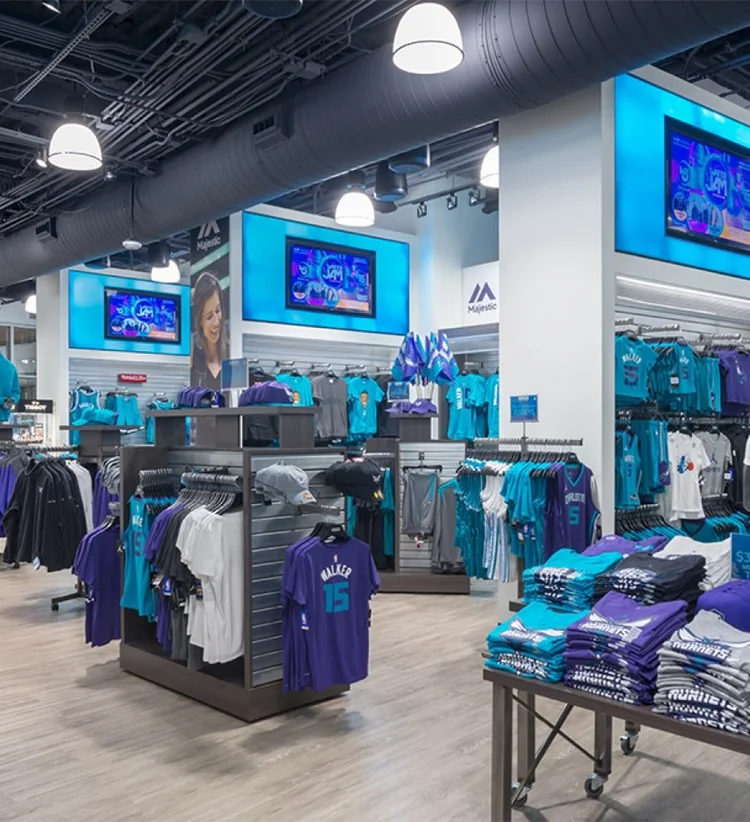
Charlotte Hornets
The Charlotte Hornets leverage existing cameras to measure real-time KPIs including guest entrance throughput, concessions queue analytics, and arena heatmapping to drive higher revenue without adding staff.
Read Hornets Case Study Stadiums, Arenas & Venues
Brightline
Brightline assesses curbside activity surrounding train stations through vehicle counts and dwell time data to enhance management of their mobility fleet operations.
Read Brightline Case Study Parking, Garages & Loading Dock Management
Summit One Vanderbilt
Summit One Vanderbilt optimizes guest experiences and operational efficiency by measuring critical operational KPIs including guest journey tracing and real-time occupancy management.
Read Summit One Case Study Theme Parks & Cultural Attractions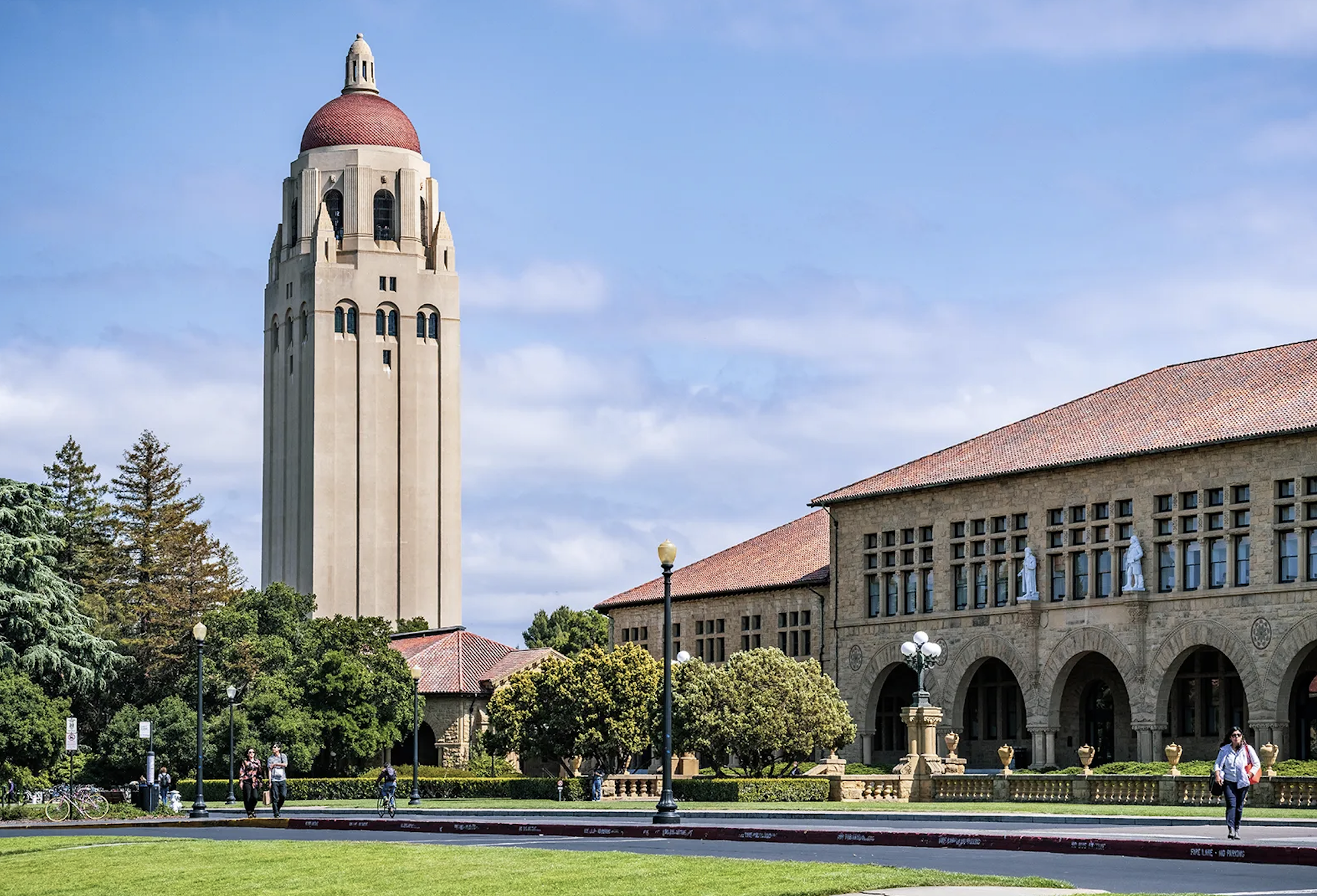
Stanford
Stanford measures KPIs at loading zones including vehicle counts and dwell time analysis to optimize usage of limited space and inform planning for future construction.
Read Stanford Case Study Parking, Garages & Loading Dock Management
StorageMart
StorageMart improves speed of service by measuring staff engagement analytics, front desk dwell time analysis, and parking occupancy monitoring through existing camera infrastructure.
Read StorageMart Case Study Commercial Real EstateEverything dwell time analytics should do, and actually does.
Measure how long guests spend in each area to optimize experience duration.
Identify when and where guests are most engaged to enhance attractions.
Understand which areas hold attention to support layout and staffing decisions.
Reveal flow patterns to optimize experiences and reduce bottlenecks.
Engagement Analysis
Measures how long guests spend in specific areas to provide precise insights into engagement levels, enabling businesses to identify which zones drive the longest visits and optimize experience duration across the whole space.
Peak Period Identification
Precise dwell analytics enable operations teams to identify peak engagement periods and enhance attraction elements based on actual visitor behavior, giving managers a feedback loop that doesn't depend on surveys or guesswork.
Strategic Planning
Real-time monitoring helps businesses understand which areas hold attention longest, supporting layout redesigns and staffing decisions with data rather than observation, and enabling before-and-after measurement of changes.
Flow Optimization
Comprehensive dwell data reveals visitor preferences and flow patterns, enabling businesses to optimize experiences and reduce bottlenecks by understanding how long guests stay in each zone and why some areas underperform.
-
Safari AI delivers 99%+ accuracy on pedestrian and footfall counts across indoor and outdoor environments. Accuracy is validated against manual ground-truth counts during deployment, and our computer vision models are trained on enterprise-scale datasets from theme parks, stadiums, retail destinations, and QSRs. If a camera view underperforms, we tune the model to your specific environment before you go live.
-
No. Safari AI works with the CCTV and IP cameras you already have — no camera rip-and-replace, no construction, no re-wiring. Deployment requires an on-premise server to process the video feeds locally at your site, which we spec and configure as part of onboarding. Your existing camera infrastructure stays exactly as it is.
-
Most customers are live within days to a few weeks, depending on server provisioning and site access. After an initial camera review to confirm compatibility, we install the on-prem server, connect your existing camera feeds, calibrate the models, and validate accuracy against your baselines.
-
Safari AI is built for high-density venues — we measure crowd counts and pedestrian flow at theme parks, NHL and NBA arenas, outlet centers, and stadium concourses. Our models handle occlusion, overlapping visitors, and non-linear movement patterns that break traditional sensor-based or beam-break counting systems. Reference clients include LEGOLAND, the Charlotte Hornets, and the Calgary Flames.
-
Yes. Counts and analytics are available through live dashboards, scheduled exports, and REST APIs, which means you can pipe footfall data into Tableau, Power BI, Snowflake, your POS, or any internal system. Most enterprise customers run Safari AI alongside existing BI and RevOps workflows rather than as a standalone dashboard.
-
Pricing is per-camera and scales based on the number of cameras, sites, and measurements you need — pedestrian counts, occupancy, dwell time, queue wait, and more can be layered on the same feeds. We offer a free 90-day pilot using your existing cameras with no credit card required, so you can validate accuracy and ROI before committing. Contact us for a tailored quote.
Frequently Asked Questions
See exactly what your cameras can do.
Evaluate Safari AI on your existing camera infrastructure for 30 days. No credit card, no commitment.
30-day free pilot · No credit card required · Uses your existing cameras · Video processed on-premise
Frequently Asked Questions
How accurate is Safari AI's footfall counting?
Safari AI delivers 99%+ accuracy on pedestrian and footfall counts across indoor and outdoor environments. Accuracy is validated against manual ground-truth counts during deployment. If a camera view underperforms, we retune the model to your specific environment before you go live, at no additional cost.
Do I need to replace my cameras to use Safari AI?
No. Safari AI works with the CCTV and IP cameras you already have. No rip-and-replace, no construction, no re-wiring. An on-premise server is installed to process video locally; your existing camera infrastructure stays exactly as it is.
How long does Safari AI deployment take?
Most customers are live within days to a few weeks. After a camera compatibility review, we install the on-prem server, connect camera feeds, calibrate the models, and validate accuracy against your baselines before going live.
Can Safari AI handle high-density crowds?
Yes. Safari AI is built for high-density venues — theme parks, NBA and NHL arenas, outlet centers, and stadium concourses. Models handle occlusion, overlapping visitors, and non-linear movement that defeats traditional beam-break sensors. Clients include LEGOLAND, Charlotte Hornets, and Calgary Flames.
Can Safari AI integrate with Tableau, Power BI, Snowflake, or our POS?
Yes. Footfall counts and analytics are available via live dashboards, scheduled exports, and a REST API. You can pipe data into Tableau, Power BI, Snowflake, your POS, or any internal system. Most customers run Safari AI alongside existing BI and RevOps workflows.
How does Safari AI pricing work?
Pricing is per-camera and scales with the number of cameras, sites, and measurement types. Pedestrian counts, occupancy, dwell time, queue wait time, and more can be layered on the same feeds. A free 30-day pilot with no credit card required is available so you can validate accuracy and ROI before committing.